
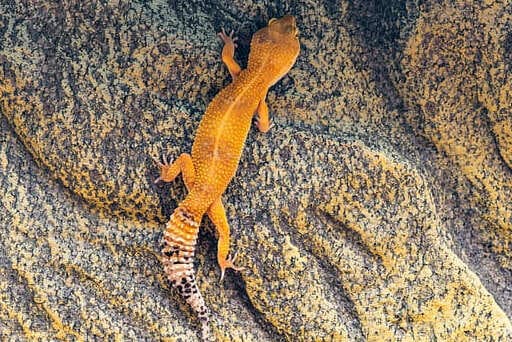
On a bright afternoon, I was enjoying my drink when I noticed a small gecko on the balcony wall. Its olive green body had black stripes, and it looked curious. I started searching for information about geckos. They are common in tropical areas. Geckos have the ability to stick to walls and ceilings due to special pads on their feet. I found that geckos are usually not harmful to humans, but I wondered: can they bite?
Can a gecko bite a human?
Biologically, geckos have small and not sharp teeth like those of large carnivorous animals. A gecko bite, if it occurs, is usually reflexive or a response to feeling threatened. Many sources state that gecko bites are very rare. If they occur, they generally only cause a brief tingling or stinging sensation. This bite is not dangerous. It does not contain venom. Therefore, it does not pose a risk of serious infection or allergic reaction in most people.
Many myths have developed regarding geckos. One myth is that they can attack humans with a painful or venomous bite. This myth likely arises from a lack of accurate information and limited personal experience. In fact, geckos tend to avoid contact with humans. The bites that occur never cause serious effects. Another myth is that the presence of a gecko indicates good luck. Others believe it signifies the opposite. However, this is more of a cultural belief rather than a scientific fact.
Want to know if you can keep an owl as a pet? Click here to learn more!
Gecko is a small lizard that belongs to the infraorder Gekkota, commonly found in tropical and subtropical regions. Geckos are known for their ability to cling to vertical surfaces and ceilings. They have small bodies. The colors of their bodies vary depending on the species. They are usually active at night and insectivorous, preying on insects such as mosquitoes and cockroaches. Geckos play an important ecological role in controlling insect populations and helping to maintain the balance of the food chain. Geckos are often found around human settlements. They are harmless and rarely bite humans. They tend to avoid direct contact as a form of self-defense.
Handling and Prevention of Bites
Avoid Disturbing Geckos. The best way to prevent bites is not to disturb the animal. Geckos generally only bite as a form of self-defense. If you see a gecko, let it stay in its natural environment. Avoid approaching too quickly. Do not try to catch it. Don’t touch or catch: If not necessary, let the gecko move freely without direct interaction.
If you have been bitten, first clean the area to prevent infection. Use warm water and soap to wash the bite for a few minutes, which helps lower bacteria risk. Afterward, apply antiseptic to the bitten area. Use solutions like povidone-iodine or alcohol swabs gently to kill germs. Gecko bites generally cause a mild sting. Refrain from scratching to avoid irritation or infection.
Gecko bites are very rare occurrences and generally do not pose a health threat. The best prevention is to avoid unnecessary direct interaction and create a safe environment for them. If a bite occurs, take simple handling steps. Wash the area with soap and use antiseptics. Monitor the wound condition to prevent complications. By understanding the behavior of geckos, we can appreciate their ecological role in controlling insect populations. We can also maintain safety and health by applying proper handling methods. This article provides a clear and comprehensive guide on handling and preventing gecko bites. It aims to make you feel more prepared and calm if you ever encounter a similar situation.





 RetroFox
Leave a comment